
Rat Control in Miami, FL
Scratching over the bedroom at 2 a.m., half-eaten mangos under the tree, droppings on top of the water heater. In Miami that is almost always roof rats, and one call gets you to someone who handles them.
A referral line. We connect you with an independent, state-licensed pest control provider in Miami-Dade.
Miami rats live up high. The one you'll deal with here is the roof rat, a thin, dark rat with a tail longer than its body that climbs like a squirrel. UF/IFAS calls it the worst and most abundant rodent pest in Florida. It travels on power lines, palm fronds and branches that touch the roof, then slips in at a gap in the soffit or under a loose barrel tile. Most calls on this line start with rats in the attic.
You call, a real person asks what you're hearing or finding and where you live, and we put you through to an independent, state-licensed pest control company that works your part of Miami-Dade. They come out, look over the roofline and the attic, and quote the job. We don't set prices and we don't send our own crew.
One thing to know before anyone shows up: trapping by itself won't hold. Roof rats breed all year in Florida, so a house with open gaps fills right back up. Ask the provider about sealing the roofline, and if the insulation is full of droppings, ask about attic cleanup while they're up there.
Why People Call This Line
Rats and mice only
We don't book lawn spraying, termites or mosquito work. Sticking to rodents means the questions on the phone are the useful ones, like whether the noise is over the garage or along an outside wall.
You talk to a person
During business hours somebody picks up. Tell us what you're seeing and your neighborhood or ZIP code, and that's most of the call.
The roofline gets the attention
A good provider spends as much time on soffits, roof vents and AC line holes as on traps. Roof rat control explains why Miami jobs are won or lost up there.
No phone quotes from us
We don't quote and we don't upsell. The company that comes out prices the work after seeing the attic. About the line has the rest.
What We Take Calls About

Rat Control
The whole job: inspection, trapping, sealing and cleanup for roof rats and Norway rats in Miami-Dade homes.
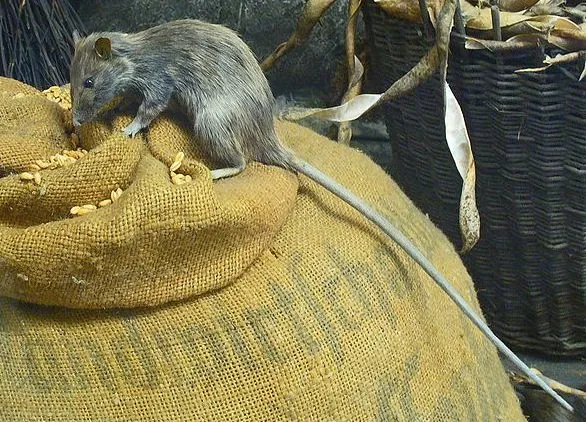
Roof Rat Control
Rattus rattus, the climbing rat that lives in palms, fruit trees and attics across Miami-Dade.

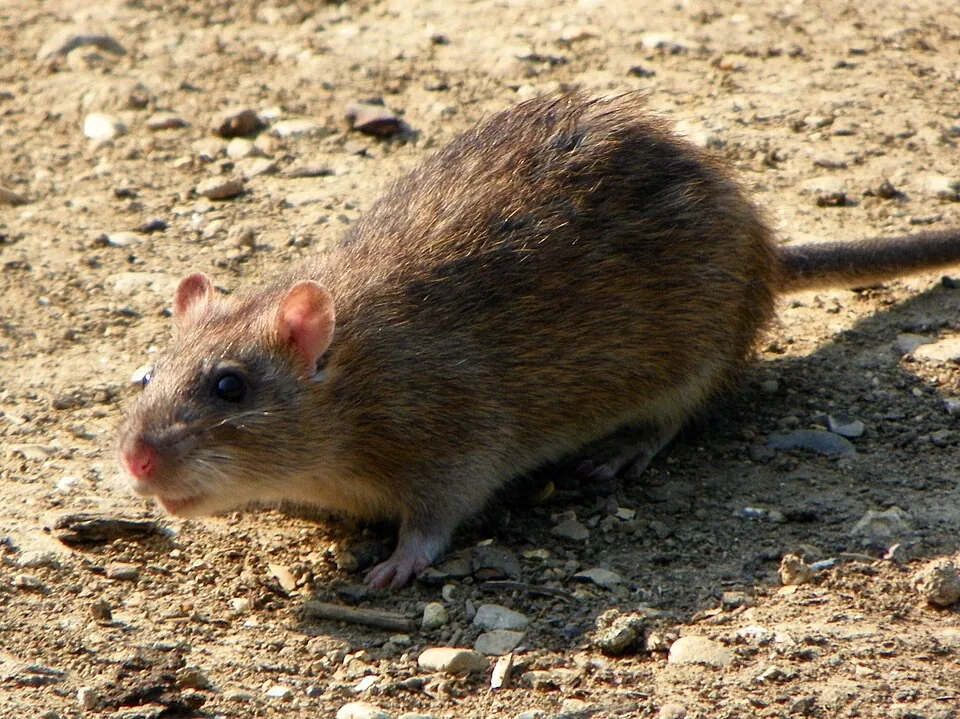
Norway Rat Control
Heavier, burrowing rats that turn up under slabs, along seawalls and behind restaurants.


Rodent Exclusion and Rat-Proofing
Sealing soffits, roof vents, tile ends and AC line holes so rats can't get back in.
Attic Cleanup and Sanitation
Removing droppings and soiled insulation, sanitizing, and putting new insulation back.
Dead Rat and Odor Removal
Tracking down a dead rat behind the drywall or in the attic, then dealing with the odor.
Rat Damage Repair
Chewed wiring, ducts, AC lines, screens and insulation after rats have been in the house.
Commercial Rodent Control
Restaurants, warehouses, condo buildings and shops that need a standing rodent program.
Why Rats Do So Well in Miami

Start with the weather. Miami doesn't get a real freeze, so there's no winter die-off. UF/IFAS says roof rats breed year-round in Florida, with peaks in spring and fall, and one female can have four or five litters a year. Summer, the hot and rainy stretch, is also when the fruit is on the trees and the attics are steaming. The roof rat guide goes further into how they live here.
Then the trees. Royal palms, coconut palms, mangos, avocados, sea grapes and big shade trees hang over a lot of roofs in town. UF/IFAS lists the skirt of dead fronds on an untrimmed palm as a common roof rat nest, and it even mentions rats moving into the big stick nests that monk parakeets build. A branch resting on the roof is a bridge. In leafy places like Coconut Grove and Pinecrest, that describes most houses.
Then the houses. A lot of Miami-Dade is concrete block and stucco, and people assume that keeps rats out. The walls usually hold up fine. The weak spots are higher: soffit vents, gable vents, the joint where an addition's roof meets the house, barrel tile with open ends, and the holes where AC lines and cable come through. Older homes in Coral Gables and Miami Shores have had nearly a century of roof jobs and add-ons, and each one can leave a gap.
Norway rats are the ground-level rat, and UF/IFAS calls them rare in Florida next to roof rats. When they do show up, it's usually burrows by a seawall, under a slab or around the dumpsters behind a restaurant row. Norway rat control covers that job, and businesses can ask about commercial rodent work.
- Palm skirts and fruit trees: food and nesting right beside the roof
- Barrel tile and soffit vents: easy openings on old and new houses
- AC line and cable holes punched through block walls
- Canals and seawalls: water and cover for ground rats
The Miami Rat Calendar
| When | What's going on |
|---|---|
| November to February: dry and mild | Cooler nights, little rain, and rats still breeding. It's the easiest time of year to get roof and soffit work done without dodging afternoon storms. |
| March and April: spring litters | UF/IFAS puts one of the roof rat breeding peaks in spring. A gap left open over the winter often has a nest behind it by now. |
| May to July: rain and mangos | The summer rains arrive and the fruit ripens. Pick up fallen mangos and avocados every day, and get the palms trimmed before hurricane season gets going. |
| August to October: storms and hot attics | After any storm, check for tiles, flashing or soffit panels knocked loose. Fall is the other breeding peak. Signs of rats in the attic lists what to look for. |
Rats don't take the summer off in Miami. Neither does this line during business hours.
Neighborhoods and Cities We Cover
Plus the rest of Miami-Dade County. If your neighborhood isn't listed, call anyway.
Quick Answers
Is a palm rat the same as a roof rat?
Yes. Around South Florida people call the roof rat a palm rat, a fruit rat or a black rat. It's all the same animal, Rattus rattus.
How can I tell if it's rats or mice?
Check the droppings. UF/IFAS describes roof rat droppings as black, slightly curved and a quarter to half an inch long. Mouse droppings are tiny, about the size of a grain of rice.
Will they put poison in my attic?
Ask the provider. Outdoors, bait belongs in tamper-resistant stations. Indoors, many providers stick with traps so a rat doesn't die inside a wall. Why poison backfires explains the smell problem.
Do you handle iguanas or squirrels?
No. This line is rats and mice only. For iguanas, raccoons or other wildlife, call a wildlife company.